

The evolution of casinos Tracing the rich history of gaming entertainment
The Origins of Gaming Entertainment
The history of gaming entertainment can be traced back thousands of years, with evidence of gambling activities found in ancient civilizations such as Mesopotamia, China, and Rome. The earliest forms of gambling were often related to religious or social rituals, involving games of chance that utilized simple tools like dice and betting stones. These primitive activities laid the groundwork for what would evolve into a structured form of entertainment, as societies began to formalize the concept of wagering on outcomes. Today, platforms like https://pinko-official.ca/ illustrate the modern evolution of these ancient practices.

As cultures evolved, so did the intricacies of their games. For example, the ancient Chinese played a form of lottery around 200 BC, while the Romans enjoyed betting on gladiatorial games. This period saw the birth of rules and stakes, which made games not only a pastime but also an avenue for social interaction and economic exchange. The emergence of card games in Europe during the Middle Ages further diversified the landscape of gaming, paving the way for future developments.
By the time gambling reached the Renaissance, it had gained immense popularity among all classes. The first official gambling house was established in Venice in 1638, marking a significant moment in the evolution of casinos. This establishment served as a precursor to modern casinos, offering a range of games and setting standards for future venues. The combination of chance, skill, and social interaction made gambling an enduring part of human culture.
The Rise of Formal Casinos
The 18th century saw a significant transformation in the landscape of gaming with the establishment of formal casinos. The first recognized casino, the Casino di Venezia, opened its doors in Italy, setting a standard for elegance and sophistication in gaming. This era marked a shift from informal betting locations to structured environments, complete with rules, regulations, and a focus on customer experience. The casino environment itself became part of the allure, attracting patrons looking for both entertainment and social engagement.
As European nations began to regulate gambling, the concept of casinos spread to France, where the famous Casino de Spa in Belgium was established in the early 19th century. These venues offered a range of games, including roulette and blackjack, which became staples in the casino experience. The architectural design of these establishments often emphasized grandeur, featuring lavish interiors and elaborate entertainment options, which further enhanced the appeal of gambling.
The 19th century also witnessed the rise of gambling in America, particularly in New Orleans and later in Nevada. The establishment of Las Vegas as a gambling mecca in the mid-20th century revolutionized the casino industry. Las Vegas casinos began to offer extravagant shows, fine dining, and luxury accommodations, transforming the perception of casinos from mere gambling houses to multi-faceted entertainment complexes. This evolution marked a turning point, where casinos began to cater to a broader audience looking for immersive experiences.
The Impact of Technology on Gaming
The late 20th century ushered in a technological revolution that dramatically changed the casino landscape. The introduction of electronic gaming machines, particularly slot machines, revolutionized how games were played and enjoyed. These machines offered players a chance to win substantial jackpots, and their colorful graphics and sound effects made them an instant hit. This technology not only attracted new players but also diversified the gaming experience, drawing in those who might not have been interested in traditional table games.
The internet further transformed the casino industry in the late 1990s, leading to the rise of online casinos. Players could now gamble from the comfort of their homes, with platforms offering a variety of games like poker, blackjack, and live dealer options. This shift not only expanded the customer base but also introduced new forms of gaming entertainment, such as online tournaments and mobile gaming. The convenience and accessibility of online casinos have made them increasingly popular, particularly among younger demographics.
Today, technological advancements continue to shape the gaming landscape. Innovations like virtual reality and augmented reality are paving the way for immersive gaming experiences that bridge the gap between the online and physical casino worlds. With the ability to engage players in entirely new environments, these technologies promise to redefine how gambling is perceived and experienced, suggesting that the evolution of casinos is far from over.
The Psychology Behind Gambling
Understanding the psychology of gambling is crucial in comprehending why casinos have flourished through the ages. The thrill of risk-taking and the possibility of reward can trigger strong emotional responses, which are often enhanced in a casino environment. For many, gambling serves as a form of escapism, allowing individuals to experience excitement and a temporary departure from everyday life. This psychological element is a key factor in attracting players to casinos, as the adrenaline rush of winning or the suspense of a game can be intoxicating.
Furthermore, casinos are designed to maximize this psychological engagement. Elements like lighting, sound, and layout are strategically employed to create an atmosphere that encourages prolonged play. The use of reward systems, such as loyalty points and bonuses, taps into the human instinct for immediate gratification, further encouraging players to return. Understanding these psychological triggers has led to the implementation of responsible gambling measures, ensuring that while entertainment is a priority, player safety is equally emphasized.
The intersection of psychology and gambling has also fostered discussions around addiction and responsible gaming. As casinos continue to evolve, it is essential for operators to prioritize player well-being, offering tools and support for those who may struggle with gambling-related issues. This balance of entertainment and responsibility ensures that the casino industry can thrive while being mindful of the complex psychological factors at play.
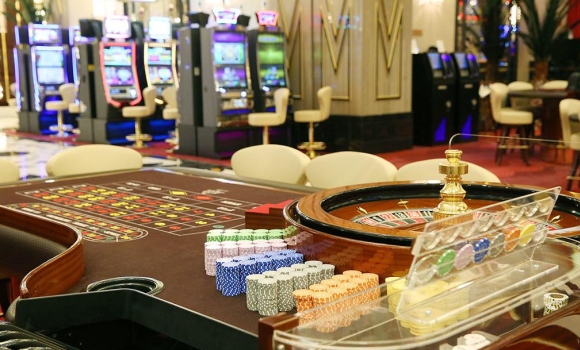
Pinco Casino: The Future of Gaming Entertainment
Pinco Casino represents a modern evolution in the gaming industry, catering specifically to Canadian players seeking a diverse range of gaming options. This online platform exemplifies the shift towards digital gambling, offering a wide variety of games, including slots, live dealer experiences, and sports betting, all from the convenience of home. With a user-friendly interface, Pinco Casino ensures that both new and experienced players can navigate effortlessly, enhancing the overall gaming experience.
Security and player safety are paramount at Pinco Casino, as the platform is fully licensed and utilizes secure payment methods to protect users. Emphasizing responsible gambling, Pinco Casino provides tools to help players manage their gaming habits, ensuring that the entertainment aspect remains enjoyable without crossing into harmful territory. This commitment to player safety is a vital component of the casino’s philosophy, underscoring the importance of a balanced approach to gaming.
As gaming technology continues to advance, Pinco Casino is poised to adapt and thrive in this ever-evolving landscape. With exciting bonuses and promotions, the platform aims to engage players and create a dynamic gaming community. By combining the rich history of casinos with modern innovations, Pinco Casino not only honors the tradition of gaming but also paves the way for the future of entertainment in the gaming industry.