

The psychology behind winning and losing in casinos
The allure of the casino environment
The atmosphere of a casino is specifically designed to captivate and entice players. Bright lights, exciting sounds, and a flurry of activity create a sensory experience that can be both exhilarating and overwhelming. This ambiance plays a significant role in drawing individuals in, making them more inclined to indulge in gaming activities. When players enter a casino, they often experience a heightened sense of excitement and anticipation, which can influence their decision-making processes.
This stimulating environment can lead to what psychologists refer to as “emotional contagion,” where the enthusiasm of surrounding players can affect one’s own mood and choices. The feeling of excitement or euphoria when a player wins can further enhance this social phenomenon, making the allure of the casino even more magnetic. For those interested in exploring this thrill further, resources like neosurf casino australia give access to various gaming options that emulate this inviting atmosphere.

Moreover, the design elements of casinos, such as layout and colors, are meticulously planned to extend players’ time within the premises. For instance, many casinos forego clocks and windows, creating a disorienting effect that can contribute to an extended gaming session. The sound of coins clinking and the cheers of winning players serve as psychological reinforcement, encouraging newcomers and seasoned gamblers alike to immerse themselves deeper into the experience. This carefully orchestrated ambiance not only draws players into the games but also keeps them engaged far longer than they might have initially intended.
The role of cognitive biases
Cognitive biases significantly impact how players perceive their chances of winning and losing in casinos. One notable bias is the “gambler’s fallacy,” where individuals believe that past events can influence future outcomes in random games. For example, a player might think that because a roulette ball landed on red several times, it is “due” to land on black. This misconception can lead to irrational betting patterns and, ultimately, losses.
Another common bias is confirmation bias, where gamblers focus on wins while ignoring losses. This tendency can create a skewed perception of one’s overall success, encouraging players to continue gambling even when they may not be ahead. Understanding these biases can be crucial for players looking to improve their gaming experience and minimize their losses.
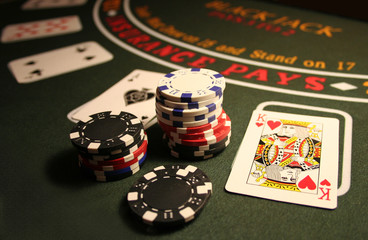
Additionally, the “illusion of control” bias can lead players to adopt various strategies that they believe will enhance their winning potential. Players may think they can influence the outcome of games like dice or cards through skill, while in reality, these games are primarily governed by chance. This belief can lead to overconfidence, causing players to take larger risks and potentially incur significant financial losses. Recognizing these biases and their effects on behavior is essential for adopting a more rational approach to gambling.
The impact of risk perception
Players’ perceptions of risk play a significant role in their choices within casinos. Some gamblers thrive on high-stakes games, seeking the adrenaline rush that comes with risking larger amounts of money, while others may prefer low-stakes games that offer a more relaxed experience. This variation in risk appetite directly influences the types of games players choose and their willingness to continue after experiencing losses.
The feeling of uncertainty can also foster a desire for control, leading players to adopt various strategies or rituals to enhance their chances of winning. However, relying on these perceived strategies often overlooks the fundamental reality that many casino games are primarily based on luck. This misconception can lead to repeated attempts to “chase” losses, culminating in further financial loss and emotional distress.
This interplay between risk perception and gambling behavior is crucial, not only for understanding player dynamics but also for developing strategies to promote responsible gaming. Awareness programs aimed at educating gamblers about risk can significantly reduce harmful behaviors and set a foundation for more enjoyable experiences. Players who understand their risk perception can make better decisions and improve their relationship with gambling.
The emotional rollercoaster of winning and losing
The emotional highs and lows of gambling can profoundly influence a player’s psychology. Winning at a casino can create a euphoric state, fostering a strong desire to continue playing and amplify this feeling of success. Conversely, losses can lead to frustration, disappointment, and even compulsive behavior as players attempt to recoup losses. This emotional rollercoaster can create a dangerous cycle where the thrill of winning motivates continuous play regardless of the financial impact.
In addition, the emotions associated with gambling can lead to significant mental health issues for some individuals. The highs of winning can create an addiction-like response, while the lows can lead to feelings of despair and hopelessness. Recognizing and addressing these emotional implications is essential for a healthy relationship with gambling to prevent detrimental psychological effects.
Research has shown that seeking social support can help players navigate these emotional highs and lows more effectively. Engaging with friends or family and sharing experiences may provide a more balanced perspective and emotional outlet. Cultivating hobbies outside of gambling can also help mitigate the emotional rollercoaster and ensure that gambling remains a fun and recreational activity instead of becoming a source of stress.
Learn more about casino behavior from experts
Understanding the complex psychology behind winning and losing in casinos opens up an intricate world worth exploring. Numerous studies and resources delve into the motivations and psychological impacts of gambling, providing valuable insights into this compelling subject. Players seeking to improve their gaming experience should engage with expert research to develop a healthier perspective on gambling.
Websites and articles can serve as significant learning resources, where users can find detailed analyses and tips for navigating the casino environment more effectively. Engaging with such knowledgeable resources can empower players to make informed decisions and find enjoyment in the thrill of the game without compromising their mental and emotional well-being.
Furthermore, connecting with professional counselors or attending workshops focused on responsible gaming can offer practical strategies for maintaining control. These resources not only enhance understanding but can also foster a community of responsible players who support each other in making healthier choices regarding their gambling habits. By prioritizing informed engagement, players can truly enjoy the excitement of casinos while safeguarding their well-being.