

Understanding the path to gambling addiction recovery essential steps for a fresh start
Acknowledging the Problem
The first step on the path to recovery from gambling addiction is recognizing that there is a problem. Many individuals may underestimate the impact of their gambling habits, often believing they can stop at any time. This mindset can create a cycle of denial that prolongs the addiction, making it essential to confront the reality of the situation. For those seeking more information, visit https://www.hoakaleifoundation.org/ to explore resources for gamblers.
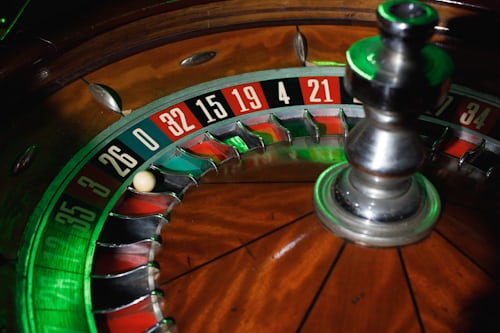
Understanding the consequences of gambling can serve as a powerful motivator for change. Financial stress, strained relationships, and declining mental health are common outcomes of excessive gambling. By acknowledging these issues, individuals can begin to take proactive steps toward recovery and a healthier lifestyle.
Seeking Professional Help
Once a person recognizes their gambling addiction, seeking professional help is crucial. Mental health professionals, addiction counselors, and support groups can provide the necessary resources and guidance for recovery. These experts can help individuals understand the underlying psychological issues contributing to their addiction and offer coping strategies to deal with cravings and triggers.
Joining support groups, such as Gamblers Anonymous, can also provide a sense of community and understanding. Sharing experiences with others facing similar challenges can be immensely beneficial, offering both emotional support and practical advice on navigating the recovery journey.
Developing a Recovery Plan
Creating a structured recovery plan can help individuals regain control over their lives. This plan should include setting realistic goals, identifying triggers, and developing strategies to avoid high-risk situations. It may also involve financial planning, such as budgeting and limiting access to cash or credit, to reduce the temptation to gamble.
Additionally, incorporating healthy habits, such as regular exercise and mindfulness practices, can enhance overall well-being and resilience during the recovery process. Engaging in fulfilling activities that do not involve gambling can also help individuals rediscover joy in their lives without the need for risk-taking behavior.
Building a Support Network
Surrounding oneself with a supportive network is vital for maintaining long-term recovery. Friends and family can play a significant role in providing encouragement and accountability. It is important to communicate openly with loved ones about the recovery journey and seek their support in avoiding gambling triggers.
In addition to personal connections, online forums and local community groups focused on addiction recovery can expand one’s support system. These networks provide a platform for sharing experiences and accessing resources, fostering a sense of belonging and reinforcing the commitment to a gambling-free life.

Exploring Safe Gaming Alternatives
For those who still enjoy gaming but want to avoid the pitfalls of gambling, exploring safe alternatives can be beneficial. Engaging in skill-based games or participating in hobby activities that provide excitement without financial risk can help fulfill the desire for entertainment. Many individuals find satisfaction in activities like board games, sports, or creative projects.
Understanding the importance of moderation and control in gaming can lead to a healthier relationship with entertainment. Finding joy in activities that don’t involve gambling can facilitate a more balanced lifestyle and contribute positively to ongoing recovery efforts.